OEyachting Journal

Practical Yachting Guides

Clear starting points for choosing, buying, moving, insuring and preparing a yacht. Each guide is written for a real decision and ends with the next practical step.

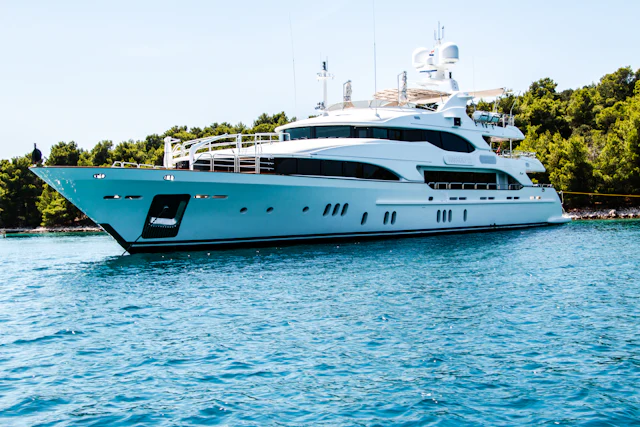
Luxury yacht ready for a private charter
Start with the trip, then match the yacht.

Guide 01 ·

How to choose a yacht charter

The right charter starts with the experience, not only the yacht model. Define the dates, cruising area, number of guests and preferred level of crew service before comparing boats.

Key information

  • Choose the cruising area and realistic transfer time.
  • Confirm guest capacity, cabins, crew and accessibility needs.
  • Compare what is included: fuel, berth fees, water toys and provisioning.
  • Ask for the cancellation, deposit and damage-waiver terms in writing.
What should I decide first?

Dates, destination and guest profile come first. They narrow the fleet more effectively than a preferred brand alone.

Plan a charter with OEyachting →
Yacht deck inspected before purchase
A purchase decision needs evidence.

Guide 02 ·

How to buy a yacht with confidence

A yacht purchase combines lifestyle, technical and financial decisions. Build a brief, verify the vessel’s documents and commission an independent survey before committing.

Key information

  1. Set the intended use, budget and annual operating range.
  2. Check ownership, VAT, registration, maintenance and refit history.
  3. Arrange a survey and sea trial with an independent professional.
  4. Record conditions, dates and responsibilities in the agreement.
Is the purchase price the full cost?

No. Berthing, insurance, maintenance, crew, fuel and periodic refits should be included in the ownership budget.

Discuss a yacht purchase →
Yacht arriving at a marina for transport planning
Route planning protects time and budget.

Guide 03 ·

How to organise yacht transport

Transport depends on dimensions, lifting points, route restrictions, timing and the condition of the vessel. Prepare accurate technical information before requesting quotations.

Key information

  • Provide length, beam, height, weight and cradle or lifting requirements.
  • Share the collection and delivery ports, preferred dates and documentation.
  • Compare insurance limits, permits, escorts and loading responsibilities.
  • Confirm the handover inspection at both ends of the route.
When should transport be booked?

Book as early as the route and season allow. Oversize permits, lifting slots and weather windows can affect the schedule.

Request a transport assessment →

Guide 04 ·

What is an Empty Leg yacht charter?

An Empty Leg is a repositioning voyage that would otherwise travel without charter guests. It can offer strong value, but the route and dates are usually less flexible than a standard charter.

Key information

  • Start with the fixed departure and arrival window.
  • Check the yacht, cabin arrangement, crew and included costs.
  • Allow flexibility for weather and repositioning logistics.
  • Confirm whether transfers, fuel, meals and port fees are included.
Is an Empty Leg always cheaper?

It can be better value, but the final price depends on the route, inclusions and short booking window.

Ask about current Empty Leg options →

Guide 05 ·

How to approach yacht insurance

Insurance should reflect the vessel, navigation area, use, crew and storage conditions. A low premium is not useful if the policy excludes the risks that matter to your operation.

Key information

  • Describe navigation areas and whether the yacht is chartered.
  • Confirm hull value, liability, salvage and assistance limits.
  • Check named operators, security requirements and winter storage terms.
  • Review exclusions, deductibles and claims obligations before signing.
Can one policy cover every use?

Not automatically. Charter, racing, private use and wider navigation areas can require different terms and declarations.

Review an insurance brief →

Guide 06 ·

How to prepare a yacht for the season

Season preparation is a sequence, not a single inspection. Start with safety and systems, then move to cleaning, provisioning and guest readiness.

Key information

  1. Inspect hull, deck, rigging, batteries and bilge systems.
  2. Service engines, generators, navigation and safety equipment.
  3. Check lines, anchors, tenders, water systems and spares.
  4. Update documents, emergency contacts and the onboard inventory.
How early should preparation begin?

Begin before the first intended voyage. Early checks leave time for parts, technicians and sea trials.

Create a season-readiness checklist →